

Is sarapiqui worth visiting
Sarapiqui Costa Rica: The Ultimate Guide to an Epic Rainforest Adventure
Top Things to Do in Sarapiqui, Costa Rica
At first glance, Sarapiqui might seem like a quiet, sleepy agricultural town. However, don’t let the peaceful vibe fool you—this region is actually the undisputed capital of adventure and ecology in the Heredia province. Whether you want to get your adrenaline pumping on wild river rapids or quietly observe exotic wildlife in untouched habitats, Sarapiqui delivers an unforgettable experience without the heavy commercialization found in other parts of the country.
- White Water Rafting on the Sarapiqui River
When it comes to adrenaline, the Sarapiqui River is the crown jewel of the region. Featuring thrilling Class II, III, and IV rapids, this river provides a world-class white water rafting experience that feels rugged, authentic, and incredibly pristine.
A common question for travelers is whether this river is suitable for beginners. The answer is an absolute yes! The river is naturally divided into different sections, including gentle, family-friendly stretches perfect for first-timers, and intense, heart-pounding drops for seasoned thrill-seekers. Even better, navigating the Sarapiqui River means you get to dodge the massive fleets of rafts that often crowd the more heavily marketed rivers in the country, giving you a much more private and immersive jungle adventure.
2. Exploring La Selva Biological Station
If you are a nature lover, visiting La Selva Biological Station is completely non-negotiable. It is crucial to understand that La Selva is not just a standard national park; it is one of the most important and prestigious tropical research centers in the entire world. Scientists flock here globally to study the rainforest, and as a visitor, you get to walk the exact same trails.
Because the ecosystem is so strictly protected, it is arguably the best place in the country to spot rare wildlife. When walking the trails, keep your eyes peeled for:
- Two-toed and three-toed sloths hanging lazily in the canopy.
- Vibrant poison dart frogs (especially the iconic “blue jeans” frog) hopping across the forest floor.
- Keel-billed toucans and Great Green Macaws soaring overhead.
- Howler monkeys swinging through the ancient trees.
3. Cacao Tours and Coffee Plantations
After conquering the river and hiking the rainforest, it is time to slow down and enjoy a much more relaxed activity. Sarapiqui is famous for its rich agricultural history, particularly its cacao and coffee.
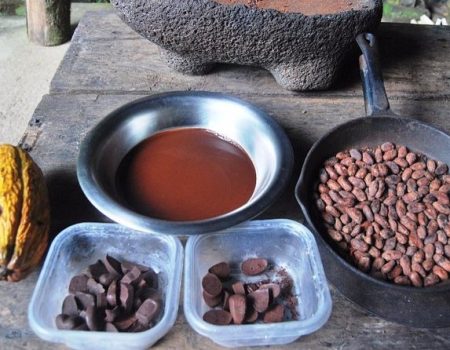
Head over to the Tirimbina Rainforest Center for an immersive chocolate experience. Here, you will cross the longest suspension bridge in the region to reach a traditional cacao plantation hidden in the forest. You will learn the fascinating, centuries-old history of chocolate, from its sacred use by indigenous tribes to the modern fermentation and roasting processes. The best part? You get to taste 100% organic, freshly made cacao right at the source.


How to Get to Sarapiqui from Major Cities
Logistics can make or break a trip, but getting to Sarapiqui is surprisingly straightforward. While there are public buses available, renting a car is hands-down the best option. Having your own vehicle gives you the freedom to explore hidden waterfalls, stop at local sodas (roadside diners) for authentic meals, and travel on your own schedule. The roads leading to Sarapiqui are fully paved, well-maintained, and offer incredibly scenic views of the mountains and valleys.
The Route from La Fortuna to Sarapiqui
If you are already visiting the famous Arenal Volcano, getting here is a breeze. The drive from La Fortuna to Sarapiqui takes just about 2 hours along a beautiful, straightforward route. This makes Sarapiqui the ultimate strategic stopover destination. Instead of enduring a grueling, all-day drive from Arenal directly to the Caribbean coast, you can break up your trip, spend a few days exploring Sarapiqui, and then easily continue your journey east toward Tortuguero or the surf town of Puerto Viejo.
When is the Best Time to Visit Sarapiqui?
Let’s break the myth of the “perfect season.” Sarapiqui is a true tropical rainforest, which means exactly what it sounds like: it rains year-round. That moisture is exactly what keeps the region so lush and vibrantly green!
However, there are two distinct seasons to consider. From December to April, you will experience the “Dry Season,” meaning the rain showers are shorter and less frequent, giving you plenty of sunny windows. But do not discount the “Green Season” from May to November. During these months, the afternoon showers are heavier, but the rivers swell—making it the absolute best time for white water rafting. Plus, the increased moisture brings out a massive surge in wildlife activity, making it a dream for photographers and nature enthusiasts.
Where to Stay: Best Sarapiqui Eco-Lodges
Do not come to Sarapiqui expecting massive, concrete 5-star luxury resorts. The beauty of this region lies in its deep integration with the environment. The best places to stay here are eco-lodges. These accommodations range from rustic and charming to highly comfortable and luxurious, but they all share one thing in common: they put you right in the middle of the jungle. You will fall asleep to the symphony of tree frogs and wake up to the calls of howler monkeys right outside your window.
Frequently Asked Questions About Sarapiqui
For most travelers, 2 to 3 days is the absolute sweet spot. This gives you the perfect window to experience the region’s main highlights without feeling rushed. In a quick two-night stay, you can comfortably fit in a thrilling white water rafting tour, a guided jungle night walk, and a morning hike through a renowned biological reserve.
Yes, very safe. Sarapiqui is a quiet, rural agricultural hub and stands out as one of the most peaceful and secure regions in Costa Rica. You won’t find the petty crime issues that sometimes pop up in crowded beach towns. In fact, your biggest safety focus in Sarapiqui shouldn’t be on people at all—it should be on the wild rainforest environment.
- Stay on the marked trails: Wandering off the path damages the delicate ecosystem and makes it incredibly easy to get turned around.
- Wear closed-toe shoes: Swap the sandals for sturdy hiking shoes or rubber boots. This protects your feet from biting ants, thorny vines, and the rare snake encounter.
- Hydrate constantly: The jungle humidity is intense. You will sweat much faster than you realize, so keep a full water bottle on hand at all times.
Bring a reliable, sweat-resistant bug spray containing DEET (at least 20-30%) or Picaridin. Pro tip: Buy this before you leave the US. While you can easily find repellent in local Costa Rican supermarkets, imported brands are heavily taxed and often cost double or triple what you’d pay back home.
- Quick-dry clothing: Cotton takes forever to dry in the humidity; bring synthetic, moisture-wicking fabrics.
- Waterproof hiking shoes: Essential for muddy trails and rainforest treks.
- Water shoes or secure sandals: A must-have for white water rafting.
- High-quality insect repellent: Protect yourself while hiking at dusk or dawn.
- A dry bag: To protect your phone and camera during river activities.
“Planning your Costa Rica itinerary and not sure where to start? Send us a quick message on WhatsApp! We’ll help you design the perfect Sarapiqui adventure.”
Recent Posts

Is sarapiqui worth visiting

Best Time of Year for Rafting in Costa Rica


 ES
ES  EN
EN