

Bird Watching Sarapiqui Costa Rica: A Complete Guide to Tropical Birds and Rainforest Wildlife
Why Is Sarapiqui One of the Best Places for Bird Watching in Costa Rica?
What Makes Sarapiqui’s Rainforest So Special for Birdwatching?
Sarapiquí is not merely another stop along Costa Rica’s eco-tourism trail; it is an ecological crossroads where over 500 avian species converge across a dynamic continuum of life. Anchored by the vital San Juan–La Selva Biological Corridor, this region safeguards an uninterrupted genetic pathway running from the high-elevation cloud forests down to the coastal plains. The sheer density of primary growth, tangled lianas, and towering riverine trees creates micro-habitats that sustain both canopy specialists and shy understory foragers, turning any walk through the forest into an masterclass in tropical biodiversity.
Where Is Sarapiqui Located in Costa Rica?
Situated in the northeastern Heredia province, Sarapiquí rests at the base of the Central Volcanic Mountain Range. Just a scenic two-hour drive from San José via Route 32 or the Varablanca mountain pass, this lush canton transitions rapidly from temperate highlands into warm, emerald river basins. Its proximity to the capital makes it exceptionally accessible, yet its vast expanses of protected wilderness keep it pristine, tranquil, and noticeably removed from the crowded tour circuits found on the Pacific coast.
What Makes the Caribbean Lowland Rainforest Unique?
Unlike the Pacific slope with its sharp seasonality, the Caribbean lowlands thrive under near-constant humidity, yielding year-round food sources for wildlife. Deep-rooted Dipteryx panamensis (Mountain Almond) trees dominate the canopy, while sprawling aroids, bromeliads, and wild heliconias blanket the midstory. This persistent moisture drives continuous fruiting and flowering, insulating the resident bird populations from seasonal droughts and providing a stable haven for both sedentary endemic species and weary altitudinal migrants descending from the mountain peaks.
What Birds Can You See in Sarapiqui, Costa Rica?
Colorful Tropical Birds Found in Sarapiquí
The sheer visual palette of Sarapiquí’s birdlife borders on surreal. A single morning along the forest edge often reveals brilliant flashes of scarlet, electric blue, and sunlit chartreuse cutting through the damp foliage.
- Toucans and Aracaris: The resonant, croaking calls of the Keel-billed Toucan and Yellow-throated Toucan echo across the morning mist, frequently seen foraging in fruit-laden cecropia trees alongside raucous family groups of Collared Aracaris.
- Hummingbirds: Heliconia thickets vibrate with the wings of Bronze Hermits, White-necked Jacobs, and Crowned Woodnymphs, each engineered with specialized bills to exploit deep, nectar-bearing floral tubes.
- Trogons and Motmots: Perched motionless at mid-canopy, Slaty-tailed Trogons and Gartered Trogons display vibrant red and yellow bellies, while Rufous Motmots and Broad-billed Motmots swing their distinctive racket-tipped tails like slow, hypnotic pendulums.
- Woodpeckers and Tanagers: Dynamic mixed-species flocks sweep through the canopy, where Chestnut-colored Woodpeckers tap decaying trunks while dazzling Golden-hooded, Crimson-collared, and Silver-throated Tanagers strip wild berries from the vine tangles.
Rare and Special Birds to Look for in Sarapiquí
Beyond the common tropical eye candy, Sarapiquí is internationally recognized as a sanctuary for vulnerable regional specialties that serious birders travel continents to record.
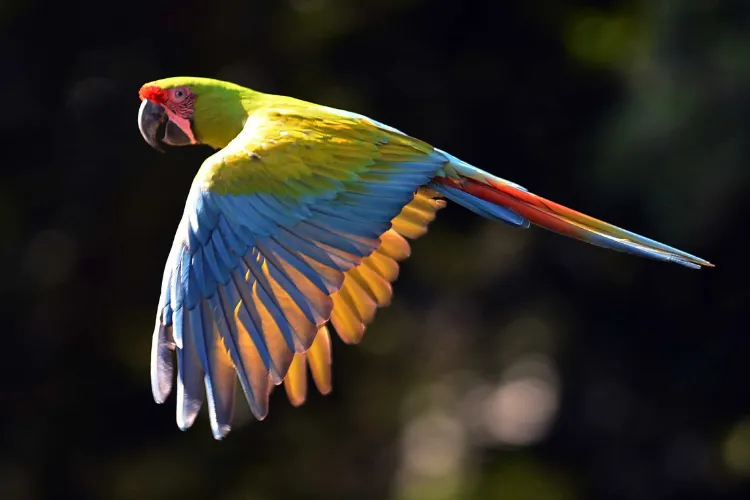
- Great Green Macaw (Ara ambiguus): Sarapiquí is the global stronghold for this critically endangered giant. Their survival is inextricably tied to the Mountain Almond tree, where they feed, roost, and nest, frequently announcing their arrival with deep, prehistoric shrieks as pairs soar overhead.
- Snowcap Hummingbird (Microchera albocoronata): Found along the foothill edges where the lowlands meet the mountains, the male Snowcap—with its wine-purple body and brilliant, snow-white crown—is widely regarded as one of the neotropics’ premier jewels.
- Great Curassow (Crax rubra): Resembling a modern-day pheasant dinosaur, this large, terrestrial cracid wanders cautiously across primary forest floors, vulnerable to habitat fragmentation elsewhere but thriving in Sarapiquí’s protected interior reserves.
- Sunbittern and Other Rainforest Birds: Along the turbulent edges of the Sarapiquí and Puerto Viejo rivers, the enigmatic Sunbittern hunts along rocky gravel bars, flashing an astonishing sunset-patterned wingspread when flushed. Deep in the dark undergrowth, patient observers can also unearth cryptic Agami Herons, Ocellated Antbirds following army ant swarms, and the elusive Rufous-vented Ground-Cuckoo.
The Route from La Fortuna to Sarapiqui
If you are already visiting the famous Arenal Volcano, getting here is a breeze. The drive from La Fortuna to Sarapiqui takes just about 2 hours along a beautiful, straightforward route. This makes Sarapiqui the ultimate strategic stopover destination. Instead of enduring a grueling, all-day drive from Arenal directly to the Caribbean coast, you can break up your trip, spend a few days exploring Sarapiqui, and then easily continue your journey east toward Tortuguero or the surf town of Puerto Viejo.
When is the Best Time to Visit Sarapiqui?
Let’s break the myth of the “perfect season.” Sarapiqui is a true tropical rainforest, which means exactly what it sounds like: it rains year-round. That moisture is exactly what keeps the region so lush and vibrantly green!
However, there are two distinct seasons to consider. From December to April, you will experience the “Dry Season,” meaning the rain showers are shorter and less frequent, giving you plenty of sunny windows. But do not discount the “Green Season” from May to November. During these months, the afternoon showers are heavier, but the rivers swell—making it the absolute best time for white water rafting. Plus, the increased moisture brings out a massive surge in wildlife activity, making it a dream for photographers and nature enthusiasts.
Where to Stay: Best Sarapiqui Eco-Lodges
Do not come to Sarapiqui expecting massive, concrete 5-star luxury resorts. The beauty of this region lies in its deep integration with the environment. The best places to stay here are eco-lodges. These accommodations range from rustic and charming to highly comfortable and luxurious, but they all share one thing in common: they put you right in the middle of the jungle. You will fall asleep to the symphony of tree frogs and wake up to the calls of howler monkeys right outside your window.
Frequently Asked Questions About Sarapiqui
Yes. Sarapiqui is an excellent destination for birdwatching because of its tropical rainforests, rivers, protected reserves, and diverse wildlife habitats. Visitors can look for toucans, hummingbirds, tanagers, woodpeckers, and many other tropical bird species. Its Caribbean lowland ecosystem makes it a rewarding destination for both beginners and experienced birdwatchers.
Sarapiqui is home to a wide variety of tropical birds, including keel-billed toucans, hummingbirds, motmots, manakins, woodpeckers, and tanagers. The region is also important for the Great Green Macaw. The species you encounter will depend on the location, habitat, season, and time of day.
Birdwatching is possible throughout the year in Sarapiqui. The best time depends on the species you want to observe and local weather conditions. The green season offers lush rainforest scenery and active resident birds, while migratory species can add variety during certain months. Early morning outings are generally recommended.
Early morning, especially around sunrise and the first few hours afterward, is generally the best time for birdwatching. Many tropical birds are more active while feeding, calling, and moving through the forest. Starting early also provides softer natural light for bird photography.
Some recommended locations include Tirimbina Biological Reserve, La Selva Biological Station, Braulio Carrillo National Park, and private rainforest reserves. These locations offer different habitats and birdwatching opportunities, from forest trails to river environments and natural gardens.
A guide is not always required, but hiring a knowledgeable local birdwatching guide can significantly improve your experience. Guides can recognize bird calls, identify species hidden in the forest, explain bird behavior, and help visitors explore the rainforest responsibly.
Absolutely. Sarapiqui offers birdwatching opportunities for beginners, families, nature enthusiasts, and experienced birders. Many rainforest reserves have accessible trails and knowledgeable guides who can help visitors identify birds and understand their natural environment.
Bring binoculars, comfortable hiking shoes, lightweight clothing, insect repellent, sunscreen, drinking water, and a rain jacket. A camera is optional but recommended if you enjoy wildlife photography. A waterproof bag can also help protect your equipment in the humid rainforest environment.
Sarapiqui is located in Heredia Province, north of San Jose. Travel time depends on your starting point, route, traffic, and weather conditions. Visitors can reach the region by rental car, private transportation, or organized tours.
Yes. Birdwatching can be a wonderful family activity, especially when children enjoy discovering wildlife and learning about nature. Choose a suitable trail, a manageable walking distance, and a guide experienced in working with families.
Yes. Sarapiqui’s rainforest habitats, colorful tropical birds, and natural surroundings offer interesting opportunities for wildlife photography. Early morning is usually ideal for natural lighting and bird activity. A telephoto lens and patience can help capture birds without disturbing them.
Sarapiqui is one of the important regions associated with the Great Green Macaw in Costa Rica. This endangered species depends on suitable lowland rainforest habitats. Sightings are not guaranteed, so visiting with a knowledgeable local guide can help improve your chances of finding it.
Our small-group river and canopy tours book up fast during the dry season. Grab your dates now and start packing for the rainfores.
Recent Posts
bird watching sarapiqui costa rica

Sarapiqui vs La Fortuna

 ES
 EN