

Sarapiqui vs La Fortuna: Which Is Better for Your Costa Rica Trip?
When planning a trip to Costa Rica’s northern lowlands, almost every itinerary starts with the same dilemma: Sarapiqui vs La Fortuna. For decades, La Fortuna has been the poster child of Costa Rican tourism, drawing hundreds of thousands of visitors to the base of the Arenal Volcano. Yet just an hour and fifteen minutes to the east lies Sarapiquí, an untamed corridor of emerald rivers, primary rainforest, and quiet rural towns that feels like the Costa Rica travelers used to discover thirty years ago. Choosing between the two comes down to whether you want a polished resort town or an authentic, crowd-free immersion into the living jungle.
Wildlife and rainforest experiences
Walking onto a trail in La Fortuna often means sharing the path with dozens of other travelers, all crowded around a single guide’s telescope to catch a glimpse of a sleeping sloth high in a cecropia tree. While the scenery around Arenal is undeniable, the sheer volume of daily tour buses has turned many of its nature parks into bustling attractions.
Sarapiquí offers the exact opposite: raw, unscripted biodiversity in peaceful silence. Because this canton serves as a vital biological corridor connecting Braulio Carrillo National Park with the northern lowlands, wildlife isn’t confined to ticketed theme parks—it lives right outside your window. Here, you can walk across the suspension bridges of the Tirimbina Biological Reserve or explore the world-renowned trails of the La Selva Biological Station, where scientists from around the globe study one of the richest ecosystems on Earth. Without crowds talking on the trails, the forest comes alive. You will hear the guttural roar of alpha howler monkeys echoing over the canopy, spot endangered Great Green Macaws (Lapas Verdes) feeding on mountain almond trees, and find tiny “blue jeans” poison dart frogs hopping across fallen cacao leaves. If your local guide knows where to look underneath the broad heliconia leaves, you’ll even see clusters of Honduran white bats huddled together like tiny balls of cotton.
Adventure activities and things to do.
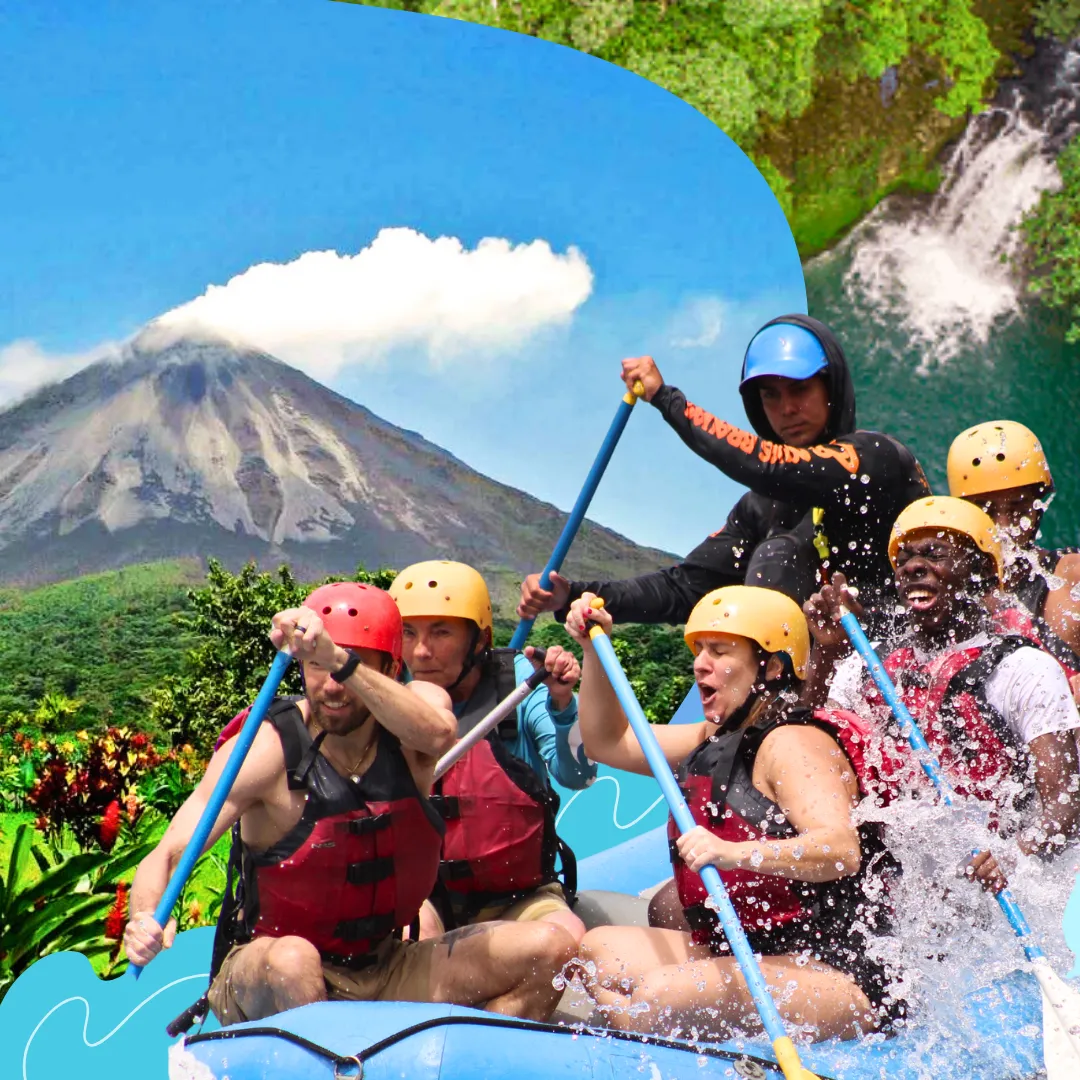
If La Fortuna revolves around a volcano, Sarapiquí revolves around water. El Río Sarapiquí is the lifeblood of the region and is widely considered by local paddlers to be one of the cleanest, most dynamic rivers in Central America. While adventure tours in La Fortuna can feel like a conveyor belt of large commercial groups waiting in line at zipline platforms, adventure in Sarapiquí feels personal and wild.
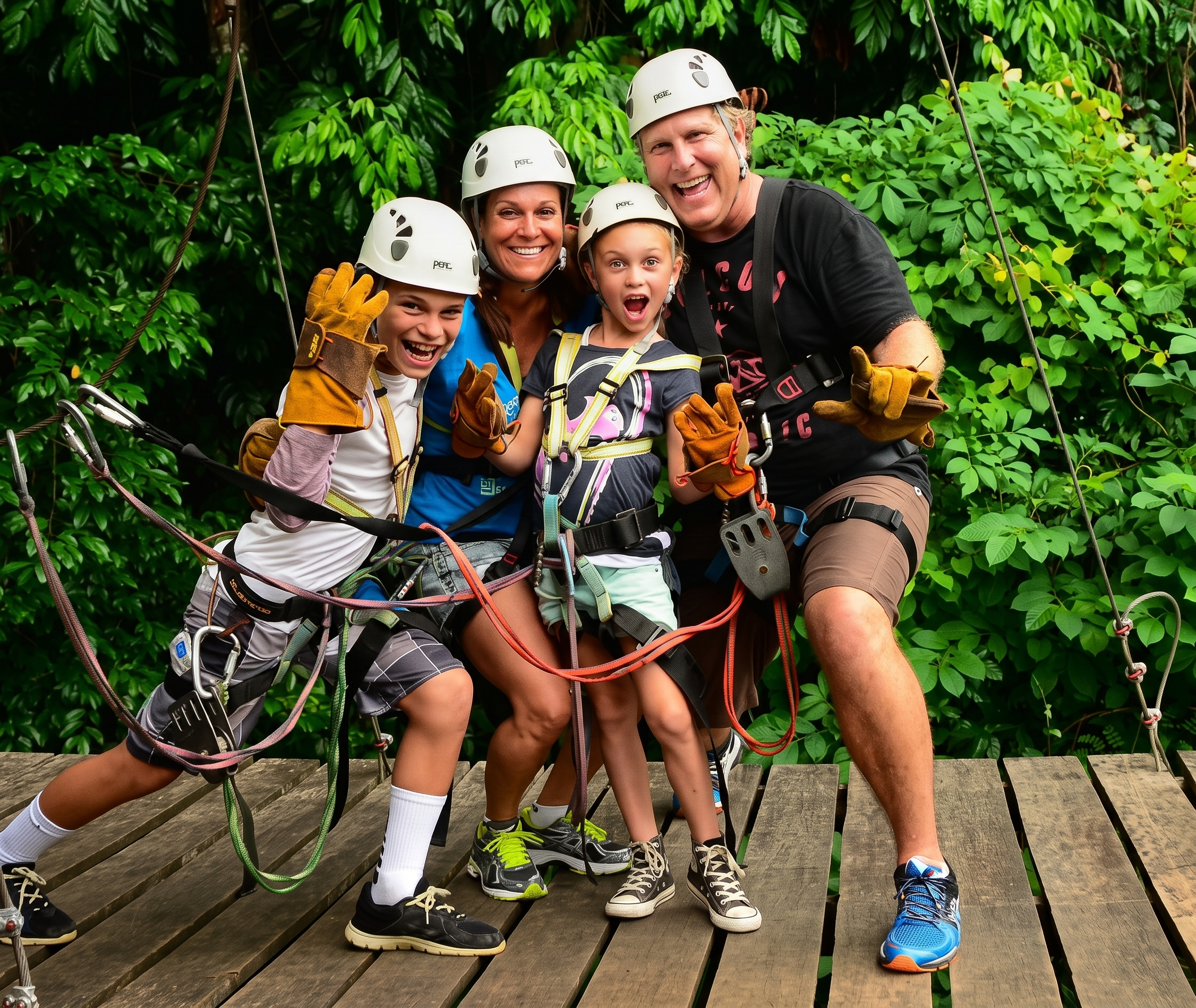
For whitewater enthusiasts, the river offers distinct personalities depending on where you drop your paddle. The upper stretch near La Virgen and Pozo Azul delivers continuous Class III and Class IV rapids—a thrilling, technical rollercoaster carved through deep volcanic canyons where waves like “The Terminator” test your teamwork. Further downstream, between Chilamate and Puerto Viejo de Sarapiquí, the river widens into scenic Class II and Class III rapids, ideal for families and beginners who want exhilarating splashes paired with sightings of river otters, iguanas, and kingfishers along the banks. Beyond rafting, visitors can experience river tubing down crystal-clear natural pools, soar through centuries-old giant ceiba trees on quiet canopy ziplines, or ride horses along rural farm trails before learning how local families harvest heart of palm, pineapple, and artisanal chocolate.
Accommodation, prices, and transportation
The financial and logistical difference in the Sarapiqui vs La Fortuna debate is impossible to ignore. La Fortuna carries a heavy “volcano tax.” Over the past few years, accommodation rates, park entrance fees, and restaurant menus in La Fortuna have climbed to match American and European resort prices. Even a simple zip-line or hanging bridges ticket can quickly drain a family travel budget.
Sarapiquí remains refreshingly grounded. Instead of mega-resorts and international fast-food chains, you will find welcoming riverside eco-lodges in Chilamate, family-owned cabins in La Virgen, and authentic local sodas where a generous, wood-fired casado with fresh natural juice costs a fraction of what you would pay near Arenal. Getting here is also remarkably straightforward. Sarapiquí sits just 90 minutes to two hours north of San José, accessible either via the lush mountain curves of Route 32 through Braulio Carrillo or the scenic waterfall route through Vara Blanca (Route 126). Plus, thanks to Route 4, Sarapiquí serves as the natural crossroads linking the Caribbean coast, Tortuguero, and the northern plains, making it effortless to reach by rental car or private shuttle without navigating heavy tourist traffic.
Which destination should travelers choose?
Ultimately, the right choice depends on the rhythm of vacation you are craving. If your dream itinerary centers on soaking in manicured volcanic hot springs, dining at trendy fusion restaurants, and snapping the classic postcard photo of Arenal Volcano alongside plenty of fellow travelers, La Fortuna won’t disappoint.
However, if you are traveling to Costa Rica to truly disconnect, Sarapiquí is the clear winner. It is the ideal destination for travelers who want to trade souvenir shops for biological reserves, avoid tourist crowds, stretch their travel budget further, and experience the authentic tropical rainforest alongside locals who greet you by name rather than reservation number.
Recent Posts
bird watching sarapiqui costa rica
Sarapiqui vs La Fortuna
 ES
 EN