

Bird Watching Sarapiqui Costa Rica: A Complete Guide to Tropical Birds and Rainforest Wildlife
Discover the incredible birdlife of Sarapiquí, Costa Rica, one of the country’s most rewarding destinations for tropical birdwatching. Explore lush rainforests, discover colorful bird species, visit biological reserves, and learn when and where to enjoy an unforgettable wildlife experience.
Why Is Sarapiqui One of the Best Places for Bird Watching in Costa Rica?
Sarapiquí, located in the province of Heredia in northeastern Costa Rica, is an excellent destination for birdwatching enthusiasts and nature lovers. Known for its tropical rainforests, rivers, protected areas, and incredible biodiversity, this region offers opportunities to observe hundreds of bird species in their natural habitats.
According to Costa Rica’s official tourism information, more than 550 bird species have been recorded in the Sarapiquí region, making it an important destination for birdwatching in the country.
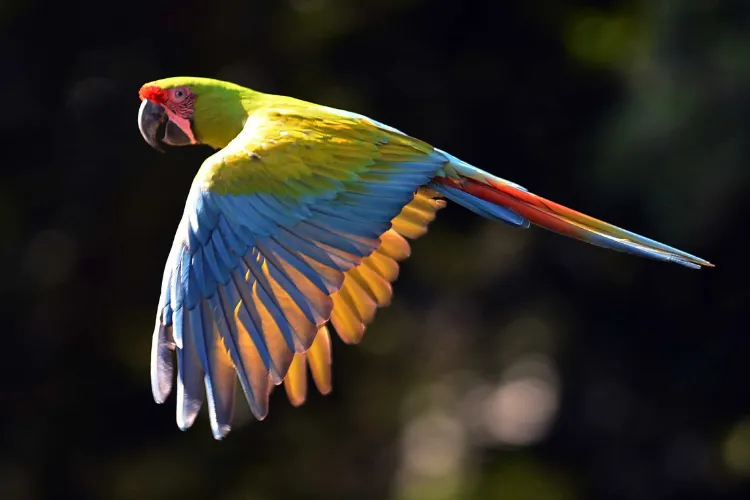
From colorful toucans and hummingbirds to woodpeckers, motmots, manakins, and the endangered Great Green Macaw, Sarapiquí offers a remarkable variety of wildlife encounters.
Whether you are an experienced birder, a wildlife photographer, or a traveler looking for a new way to connect with nature, exploring the rainforests of Sarapiquí can be a rewarding experience.
What Makes Sarapiqui's Rainforest Special for Birdwatching?
One of the main reasons Sarapiquí attracts birdwatchers is its variety of natural habitats. The region includes:
Tropical lowland rainforests.
Secondary forests and forest edges.
Riverbanks and freshwater habitats.
Wetlands and protected natural areas.
Gardens and agricultural landscapes surrounded by vegetation.
Each habitat supports different bird communities, creating opportunities to observe a wide variety of species during a single visit.
The region’s warm temperatures, abundant vegetation, and tropical climate also provide favorable conditions for resident birds throughout the year.
Where Is Sarapiqui Located in Costa Rica?
Sarapiquí is a canton in Heredia Province, in the northern Caribbean region of Costa Rica. Its main population center is Puerto Viejo de Sarapiquí.
It is accessible from San José and other popular destinations, including La Fortuna and the Arenal Volcano area.
Its geographical location makes it an attractive stop for travelers interested in exploring Costa Rica’s northern lowlands and Caribbean rainforest ecosystems.
What Birds Can You See in Sarapiqui, Costa Rica?
Sarapiquí is home to an impressive variety of tropical bird species. Visitors may encounter colorful birds flying above the rainforest canopy, feeding on tropical fruits, searching for insects, or resting among the vegetation.
Some species are easier to spot than others, and sightings depend on the habitat, season, weather, and time of day.
Here are some fascinating birds to look for during your visit.
Colorful Tropical Birds Found in Sarapiqui
Toucans and Aracaris
Toucans are among the most recognizable birds in Costa Rica.
The Keel-billed Toucan (Ramphastos sulfuratus) is especially famous for its colorful bill and striking appearance. It can often be found in forested areas, feeding on fruits and occasionally small animals.
Visitors may also encounter aracaris, smaller members of the toucan family that move through the forest in search of food.
Hummingbirds
Costa Rica is famous for its hummingbird diversity, and Sarapiquí offers excellent opportunities to observe these small, energetic birds.
Hummingbirds feed primarily on nectar and play an important role in pollination.
Look for them around flowering plants, forest edges, and gardens.
One interesting species to learn about is the Snowcap Hummingbird (Microchera albocoronata), a tiny hummingbird known for the male’s distinctive white crown.
Trogons and Motmots
Trogons and motmots are fascinating tropical birds that are often found resting quietly among rainforest branches.
The Rufous Motmot (Baryphthengus martii) is recognized by its colorful plumage and distinctive tail.
These birds can be challenging to locate without a trained eye, which makes exploring with a knowledgeable local guide especially valuable.
Woodpeckers and Tanagers
Woodpeckers are commonly associated with forest habitats, where they search tree trunks and branches for insects.
Tanagers, on the other hand, are admired for their colorful plumage and social behavior.
Both groups contribute to the incredible diversity of tropical rainforest birdlife.
Rare and Special Birds to Look for in Sarapiqui
Great Green Macaw
The Great Green Macaw (Ara ambiguus) is one of the most important conservation species associated with the Sarapiquí region.
This large, endangered parrot depends on healthy tropical rainforest habitats and is particularly associated with the lowland forests of northern Costa Rica.
Its impressive size, green plumage, and powerful flight make it a remarkable bird to observe.
Sarapiquí is an important region for its conservation, although sightings are never guaranteed.
Great Curassow
The Great Curassow (Crax rubra) is a large rainforest bird that spends much of its time on the forest floor.
It is known for its distinctive appearance and preference for mature forest habitats.
Seeing one can be a memorable experience for wildlife enthusiasts.
Red-capped Manakin
The Red-capped Manakin (Ceratopipra mentalis) is famous for the male’s bright red head and fascinating courtship displays.
During breeding displays, males perform energetic movements to attract females.
This behavior makes manakins particularly interesting subjects for birdwatchers and wildlife photographers.
Frequently Asked Questions About Sarapiqui
Yes. Sarapiqui is an excellent destination for birdwatching because of its tropical rainforests, rivers, protected reserves, and diverse wildlife habitats. Visitors can look for toucans, hummingbirds, tanagers, woodpeckers, and many other tropical bird species. Its Caribbean lowland ecosystem makes it a rewarding destination for both beginners and experienced birdwatchers.
Sarapiqui is home to a wide variety of tropical birds, including keel-billed toucans, hummingbirds, motmots, manakins, woodpeckers, and tanagers. The region is also important for the Great Green Macaw. The species you encounter will depend on the location, habitat, season, and time of day.
Birdwatching is possible throughout the year in Sarapiqui. The best time depends on the species you want to observe and local weather conditions. The green season offers lush rainforest scenery and active resident birds, while migratory species can add variety during certain months. Early morning outings are generally recommended.
Early morning, especially around sunrise and the first few hours afterward, is generally the best time for birdwatching. Many tropical birds are more active while feeding, calling, and moving through the forest. Starting early also provides softer natural light for bird photography.
Some recommended locations include Tirimbina Biological Reserve, La Selva Biological Station, Braulio Carrillo National Park, and private rainforest reserves. These locations offer different habitats and birdwatching opportunities, from forest trails to river environments and natural gardens.
A guide is not always required, but hiring a knowledgeable local birdwatching guide can significantly improve your experience. Guides can recognize bird calls, identify species hidden in the forest, explain bird behavior, and help visitors explore the rainforest responsibly.
Absolutely. Sarapiqui offers birdwatching opportunities for beginners, families, nature enthusiasts, and experienced birders. Many rainforest reserves have accessible trails and knowledgeable guides who can help visitors identify birds and understand their natural environment.
Bring binoculars, comfortable hiking shoes, lightweight clothing, insect repellent, sunscreen, drinking water, and a rain jacket. A camera is optional but recommended if you enjoy wildlife photography. A waterproof bag can also help protect your equipment in the humid rainforest environment.
Sarapiqui is located in Heredia Province, north of San Jose. Travel time depends on your starting point, route, traffic, and weather conditions. Visitors can reach the region by rental car, private transportation, or organized tours.
Yes. Birdwatching can be a wonderful family activity, especially when children enjoy discovering wildlife and learning about nature. Choose a suitable trail, a manageable walking distance, and a guide experienced in working with families.
Yes. Sarapiqui’s rainforest habitats, colorful tropical birds, and natural surroundings offer interesting opportunities for wildlife photography. Early morning is usually ideal for natural lighting and bird activity. A telephoto lens and patience can help capture birds without disturbing them.
Sarapiqui is one of the important regions associated with the Great Green Macaw in Costa Rica. This endangered species depends on suitable lowland rainforest habitats. Sightings are not guaranteed, so visiting with a knowledgeable local guide can help improve your chances of finding it.
Our small-group river and canopy tours book up fast during the dry season. Grab your dates now and start packing for the rainfores.
Recent Posts
bird watching sarapiqui costa rica

Sarapiqui vs La Fortuna


 ES
 EN